Exactly How Mass Containers Can Enhance Efficiency in Your Product Packaging Workflow
Bulk containers play an essential function in optimizing product packaging operations. Their design enables far better use vertical room and advertises organized inventory administration. This performance brings about lowered material replenishment regularity and lower labor costs. In addition, the resilience of these containers decreases item damage. As companies seek means to boost their procedures, understanding the complex advantages of bulk containers becomes vital. What other advantages might they give the table?
Streamlined Storage Solutions
As companies seek to maximize their procedures, structured storage remedies have ended up being essential for enhancing product packaging efficiency. Effective storage not only saves area but likewise promotes quicker access to materials, which is vital in busy production environments. Bulk containers, created for very easy piling and organization, greatly decrease the complexity of storage systems. They permit organizations to maximize upright room while minimizing the footprint needed for supply.
Additionally, these containers typically feature ergonomic styles that streamline handling and transport, minimizing the danger of injury and boosting process. By combining materials wholesale containers, firms can decrease the frequency of restocking and streamline their supply chain procedures. In general, the execution of efficient storage space options cultivates an extra orderly office, resulting in raised productivity and minimized operational prices. Via thoughtful design and strategic use of bulk containers, companies can achieve noteworthy renovations in their packaging procedures.

Waste Decrease and Sustainability
While the quest of performance typically drives product packaging decisions, waste reduction and sustainability have become necessary factors to consider in modern-day procedures. Firms progressively acknowledge that taking on bulk containers can greatly decrease product waste. These containers commonly use much less product packaging product than typical techniques, leading to a smaller sized carbon footprint.
Bulk containers can be reused several times, which better lowers the demand for single-use product packaging and reduces overall waste going into land fills. Their design often permits easier recycling procedures, straightening with sustainability goals.
Furthermore, companies that focus on waste decrease can improve their brand name credibility, attracting ecologically mindful customers. By applying bulk containers, organizations not only streamline operations yet likewise add positively to environmental stewardship. This double benefit of operational effectiveness and sustainability placements companies favorably in a competitive market progressively focused on environment-friendly practices.
Enhanced Assembly Line Effectiveness

Carrying out bulk containers on setting up lines greatly improves performance by enhancing the handling and transport of products. By using bulk containers, producers can lower the regularity of product replenishment, permitting employees to concentrate on setting up jobs instead of continuous stock administration. This results in less interruptions and a smoother workflow, eventually boosting productivity.
Furthermore, mass containers are made for simple assimilation with automated systems, additionally maximizing the assembly procedure. Their standard shapes and sizes facilitate far better company, allowing employees to find and accessibility products rapidly. This reduction in search time adds to a much more fluid manufacturing atmosphere.
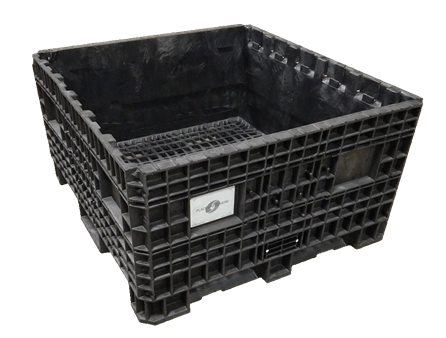
Expense Financial Savings and Enhanced Profit Margins
Significant cost savings can be recognized with the fostering of mass containers in packaging procedures. By lowering the requirement for multiple smaller plans, business can reduce material costs especially. Mass containers often call for less packaging material on the whole, resulting in lower expenses on products. In addition, the performance of bulk handling lessens labor prices connected with packaging and unpacking, additionally improving cost savings.
Fewer journeys to distributors and decreased transport costs are likewise crucial benefits, as mass containers allow for boosted item capacity per shipment. This higher volume not only reduces delivery expenditures however also maximizes storage space within facilities, bring about enhanced stock management.
Furthermore, the toughness of mass containers typically converts to reduce damages prices throughout handling and transportation, protecting item integrity and decreasing waste. Collectively, these variables add to enhanced revenue margins, making bulk containers an economically advantageous selection for companies seeking efficiency in their product packaging procedures.
Flexibility Across Industries
Bulk containers offer exceptional adaptability throughout numerous industries, making them a valuable possession past just set you back savings. In the food and drink industry, these containers facilitate the risk-free transport and storage space of large amounts of ingredients, boosting effectiveness in assembly line. In pharmaceuticals, mass containers ensure conformity with rigid health criteria while fitting the bulk handling of raw materials. The chemical sector also advantages, as these containers hold up against rough compounds and stop contamination, supporting risk-free procedures. used plastic containers. Furthermore, the agricultural market uses bulk containers for delivering fertilizers and grains, reducing and enhancing logistics waste. Their flexibility reaches manufacturing, where mass containers streamline setting up processes and reduce the demand for excessive packaging. This cross-industry capability not only enhances operational effectiveness but additionally advertises sustainability through minimized packaging waste, showing the essential duty bulk containers play in contemporary supply chains
Frequently Asked Concerns
How Do Bulk Containers Influence Worker Safety in Packaging Workflow?
Bulk containers considerably boost employee safety in packaging operations by minimizing hand-operated handling, minimizing injury dangers, and advertising ergonomic methods. Their used plastic containers style facilitates more secure transportation and storage space, inevitably creating a more protected workplace for all staff members.
What Materials Are Bulk Containers Generally Made From?
Bulk containers are usually made from resilient products such as high-density polyethylene, steel, polypropylene, or wood - used collapsible bulk containers. These products supply stamina, resistance to environmental aspects, and viability for various contents, making certain safe and efficient transportation of goods
Can Bulk Containers Be Custom-made for Certain Products?
Yes, bulk containers can be tailored for particular items. Manufacturers usually customize measurements, products, and features to meet special demands, guaranteeing excellent protection and performance during storage and transport of various items.
Just How Do Bulk Containers Affect Transport Logistics?
Mass containers improve transport logistics by optimizing cargo area, lowering the number of trips needed, and reducing dealing with expenses (used plastic containers). Their standard measurements help with effective unloading and filling, ultimately causing enhanced operational efficiency throughout the supply chain
What Is the Life-span of Bulk Containers in Routine Use?
The lifespan of bulk containers in regular use typically varies from 5 to 10 years, depending on material high quality, dealing with practices, and ecological problems. Correct upkeep can substantially prolong their usability and efficiency.
Executing mass containers on assembly lines considerably enhances efficiency by streamlining the handling and transportation of materials. Mass containers often need less packaging product generally, resulting in reduced expenses on materials. In pharmaceuticals, bulk containers ensure conformity with stringent hygiene criteria while accommodating the bulk handling of raw materials. Their adaptability expands to manufacturing, where bulk containers improve assembly processes and minimize the need for excessive product packaging. Mass containers substantially improve worker safety in packaging procedures by reducing manual handling, minimizing injury dangers, and promoting ergonomic techniques.